


A man. A woman. An underground train. Traded looks. Traded fantasies. No one looking. No one aware. The train stops. The lick of her lips. The ring on her finger. Will they? Won’t they? The crowd in the station. The man is Brandon. We soon meet the rest of him. His job. His coldness. His naked body wrapped in blue sheets. His overpowering sexual impulse. Alleys. Back doors, Luxury hotels. His computer tracked off to clean porn.

By now you’ve no doubt heard, The Artist, a black-and-white [...]


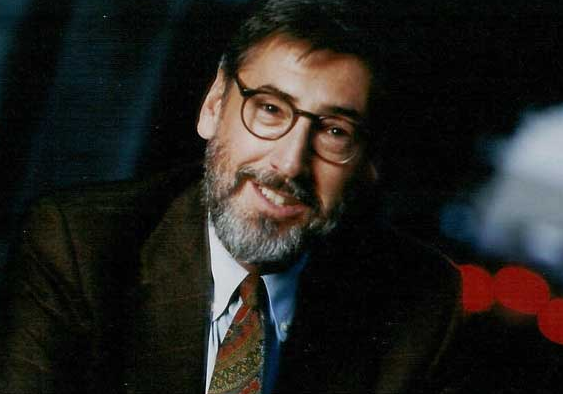
Though John Landis’s name may not be as instantly recognizable as those of George Lucas or Martin Scorsese, his contributions to quintessential American cinema are just as popular and venerable as those of his better-known (or perhaps just better-marketed) colleagues. The director of such classics—a very worn-out term that actually applies here—as “Animal House” (1978), “The Blues Brothers” (1980), and “An American Werewolf

American audiences who would pass on Michel Hazanavicius’s The Artist because a) it’s a silent movie and b) it’s in black and white, will be missing one of the best films in decades. Just like some of its unforgettable elders in the silent-film era, The Artist is funny, touching without being sentimental, with story line and feelings perfectly conveyed without words. If you ever wondered how the great stars of day before yesterday



latest video

news via inbox
Nulla turp dis cursus. Integer liberos euismod pretium faucibua